
Most of the HVAC maintenance tasks that matter before winter take a few minutes, and you can do them yourself. Winter won’t wait on a system that isn’t ready. When the first cold snap reaches Roseburg, the homeowners who skipped their prep are the ones shivering at home and searching “why is my furnace blowing cold air?” while they scramble for help.
We’d rather you sat that one out in a warm house with a hot cup of coffee. None of this takes an HVAC technician, and you won’t need a toolbox full of mysterious gadgets either. Our technicians run HVAC service calls across Douglas, Coos, and Lane Counties, and the ten tasks below are the ones they recommend to homeowners.
Schedule a Winter Maintenance Visit
Which HVAC Maintenance Tasks Can You Do Yourself Before Winter?
Our Pacific Air Comfort technicians give homeowners a ten-step winter prep list that can be completely tackled DIY. The full checklist includes clearing the outdoor unit, replacing the air filter, cleaning the vents, checking the thermostat, inspecting the furnace, checking the burner flame, vacuuming around the furnace, rinsing the heat pump coils, running a system test, and testing your smoke/carbon monoxide detectors.
Here is a closer look at how to tackle the first five tasks:
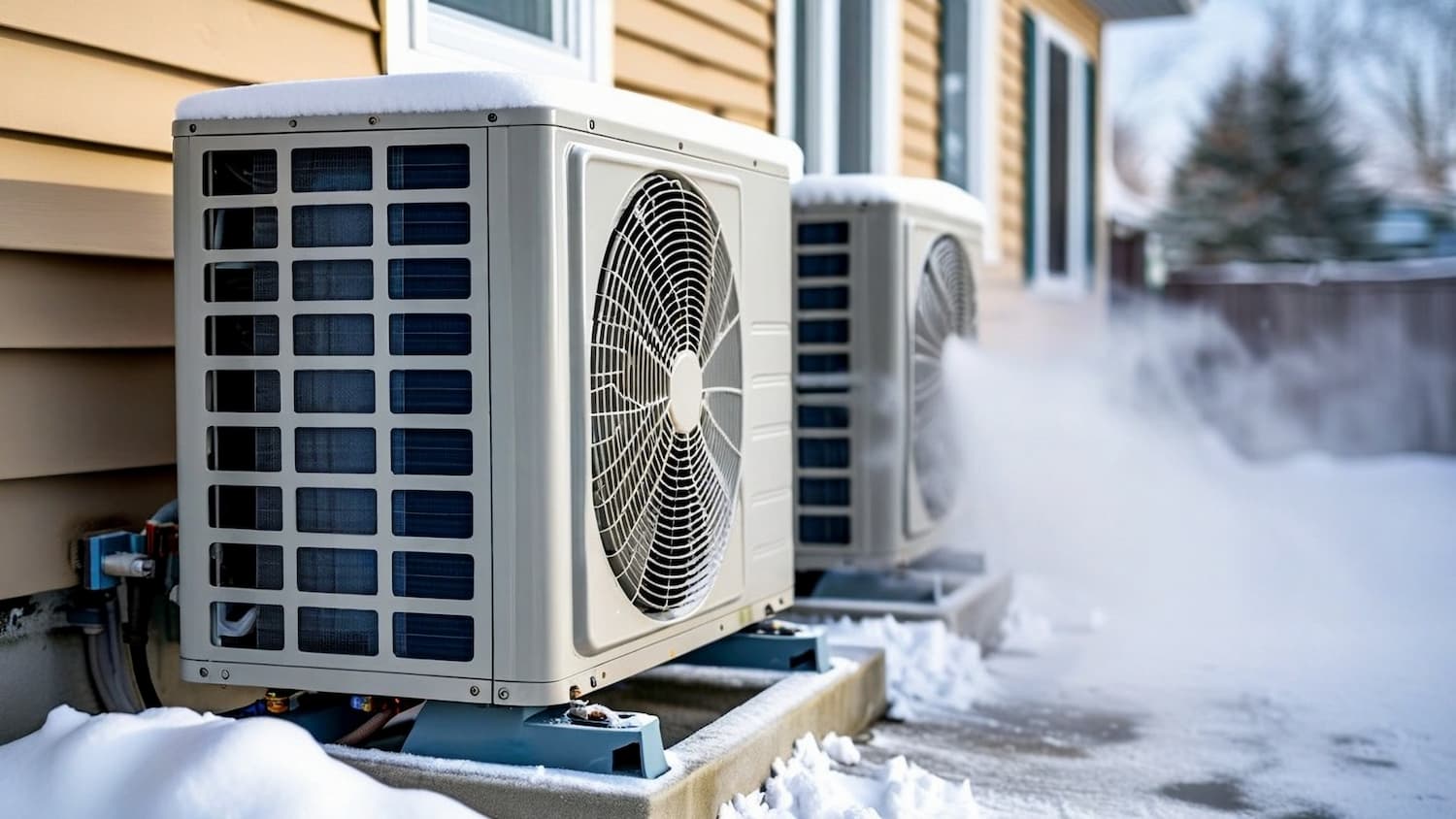
1. Clear Debris Around Your Outdoor Unit
A heat pump lives on airflow. Because Roseburg drops its leaves right around the time the fall rain arrives, this job sits at the top of our list.
- Create Clearance: Leave 2 to 3 feet of open space on all sides and overhead. Remove leaves, grass, branches, toys, and decorations.
- Inspect the Pad: The unit must sit perfectly level with no standing water around it, as an uneven unit or pooling water causes system strain.
2. Replace Your Air Filter
A filter that still looks clean can already be restricting airflow and forcing your system to work harder. Check your filter based on its thickness:
- 1-inch and 2-inch filters: Monthly
- 4-inch or 5-inch filters: Every 2 to 3 months
- Aprilaire filters: Every 4 to 6 months
Note: Pets, household allergies, or ongoing construction require more frequent checks. When in doubt, check it out.
3. Clean Your Return and Supply Vents
Air needs room to move. Leave at least 8 to 12 inches of open space around all vents by sliding furniture, rugs, and boxes back. Vacuum any dust or debris off the registers.
Note: Do not close vents to save energy. Shutting registers builds pressure in your duct system and lands added strain directly on your equipment.
4. Check Your Thermostat
Give your thermostat a quick diagnostic check before winter weather sets in.
- Power & Diagnostics: Replace batteries if applicable. Ensure the screen shows accurate temperatures with no error codes.
- Heating Settings: We recommend 68 to 70°F while home, 60 to 65°F while away, and 65 to 68°F at night.
Large temperature swings force a heat pump’s AUX/EM/Emergency Heat to trigger more often, using significantly more electricity. Call us if your thermostat stays on emergency heat or triggers it more than usual.
5. Perform a Visual Furnace Inspection
You don’t need to take anything apart to spot warning signs. Do a quick walkaround and look for:
- Standing water, drips, or excessive condensation
- Rust or burn marks
- Loose panels
- Damaged or unusual-looking components
Listen for screeching, grinding, or banging—any new noise counts as a warning sign. Finally, confirm your air filter sits snugly in its slot and doesn’t move while the system runs.
Smell Something Strange?
Never ignore an unusual smell coming from your HVAC system:
- Rotten eggs or gas: Leave the home immediately and contact your gas utility or emergency services once you are in a safe location.
- Burning plastic or electrical: Turn the system off and contact Pacific Air Comfort\ for help.
6. Check the Flame on Your Gas Furnace
Skip this step unless you have a gas furnace and can safely see the burner flame through the designated viewing area.
Check the flame color:
- Blue: Normal combustion.
- Yellow or orange: Indicates a possible combustion problem. Turn off the system and call a qualified HVAC professional. Never attempt to repair a combustion problem yourself.
7. Vacuum Around the Furnace
Vacuum dust and debris around the furnace, not inside it. As a strict safety rule, the furnace area is not a storage space. Keep it completely clear of cardboard, paper, cleaning products, chemicals, and all other combustible materials.
8. Gently Rinse Your Heat Pump Coils
You can clear loose dust and debris off your outdoor heat pump coil between professional maintenance visits.
- Turn off the power before you begin.
- Rinse gently from the top down using a standard garden hose.
- Never use a pressure washer or high-pressure stream, as this will permanently damage the delicate coil fins and internal components.
9. Test Your Heat Before It Gets Cold
Switch the heat on and let it run for about 10 minutes to catch any issues now, rather than on the coldest night of the year. While it runs, check the following:
- Are the vents putting out warm air with normal airflow?
- Is the thermostat responding properly?
- Are you hearing any unusual noises?
Note: A faint dusty smell is normal the first time a furnace runs after months of sitting unused. However, never ignore a strong, burning, or electrical odor (see the H2 guidelines above).
10. Test Your Smoke and Carbon Monoxide Detectors
Test each detector and install fresh batteries where needed. Follow your manufacturer’s exact recommendations for replacement and placement, ensuring you have active detectors on every level of the home and near all sleeping areas.
When Should You Call a Professional?
A persistent yellow or orange flame on your gas furnace is where DIY stops, and so is a smell of gas or burning plastic. DIY maintenance is great until it isn’t.
Call Pacific Air Comfort when your heat pump repeatedly freezes over or water is pooling around your furnace. A furnace or breaker that keeps tripping or needing to be reset is ours too. The same goes for a system that isn’t producing adequate heat and for unusual or worsening noises.
A gas smell means you get out of the home first. The phone call waits until you’re in a safe location.
Our other rule is about your laptop. Once you’re typing “what is a reversing valve?” into a search bar, it’s time to shut the laptop and call a professional. Some HVAC problems need specialized tools, diagnostic equipment, and the training that goes with them. We find issues on a professional furnace maintenance visit before they turn into expensive repairs. The same visit protects your motors, igniters, heat exchangers, and other system components.
Don’t Wait for Winter to Find the Problem
By the time a system fails, a neglected filter or debris around the outdoor unit has sometimes been sitting there for weeks or months. Restricted airflow and unusual noises can go on just as long. So can a system that has been struggling to keep up. HVAC failures don’t always happen out of nowhere.
Do it before you need it. We give that answer whenever someone asks about the best time to prepare your HVAC system for winter.
Need a repair? Call us. We’re Pacific Air Comfort, and we keep Southwest Oregon comfortable across Douglas, Coos, and Lane Counties. Preventative maintenance is a reason to call too, and so is simply not being sure your system is ready for the season. Whichever it is, our one piece of advice is to book before the cold settles in.